Wood-Burning vs Electric Sauna Heaters
Wood-burning vs electric sauna heaters compared — experience, installation, convenience, heat control, ongoing cost, and who each suits.
Two Paths to the Same Heat
Both wood-burning and electric heaters can deliver an authentic Finnish-style experience with high heat and the ability to throw water on hot stones for steam, known as löyly. The right choice depends on where the sauna sits, how much effort you want at startup, and whether you value ritual or convenience.
The Experience
Wood-burning heaters offer crackling sound, the smell of smoke, and a soft radiant warmth many enthusiasts consider unmatched. Electric heaters deliver consistent, controllable heat with the press of a button and no fire to tend. Both can reach traditional temperatures, so the difference is more about atmosphere than raw performance.
Installation
Installation is where these two diverge sharply, and it heavily shapes total cost.
- Wood-burning: Requires a properly sized flue and chimney, clearances from combustibles, and usually fireproof floor protection. No electricity is needed, which suits remote or off-grid sites.
- Electric: Smaller plug-in units may run on a 120V outlet, but most full-size electric heaters need a dedicated 240V circuit installed by a licensed electrician, often roughly a $200-$600 estimate that varies by region and panel distance. See our wiring guide for details.
Convenience and Heat Control
Electric wins on convenience. Many models include timers and digital thermostats, and some offer remote or app control so the room is hot when you arrive. Wood-burning requires hauling, stacking, and stoking firewood, plus 30 to 60 minutes of tending before the heat stabilizes, and temperature is managed by feeding the fire rather than a dial.
Ongoing Cost
Operating cost depends on local rates and habits, so treat all figures as estimates that vary.
- Firewood: Cost swings with whether you buy, split, or harvest your own; ash cleanout is a recurring chore.
- Electricity: Tied to your kilowatt-hour rate and session length; no fuel storage or cleanup required.
Who Each Suits
Choose wood-burning if you have an outdoor or off-grid spot, enjoy the ritual, and do not mind the prep and chimney requirements. Choose electric if you want quick, repeatable sessions, indoor placement, or minimal maintenance. For broader budgeting, see how much a sauna costs.
Top-Rated Saunas
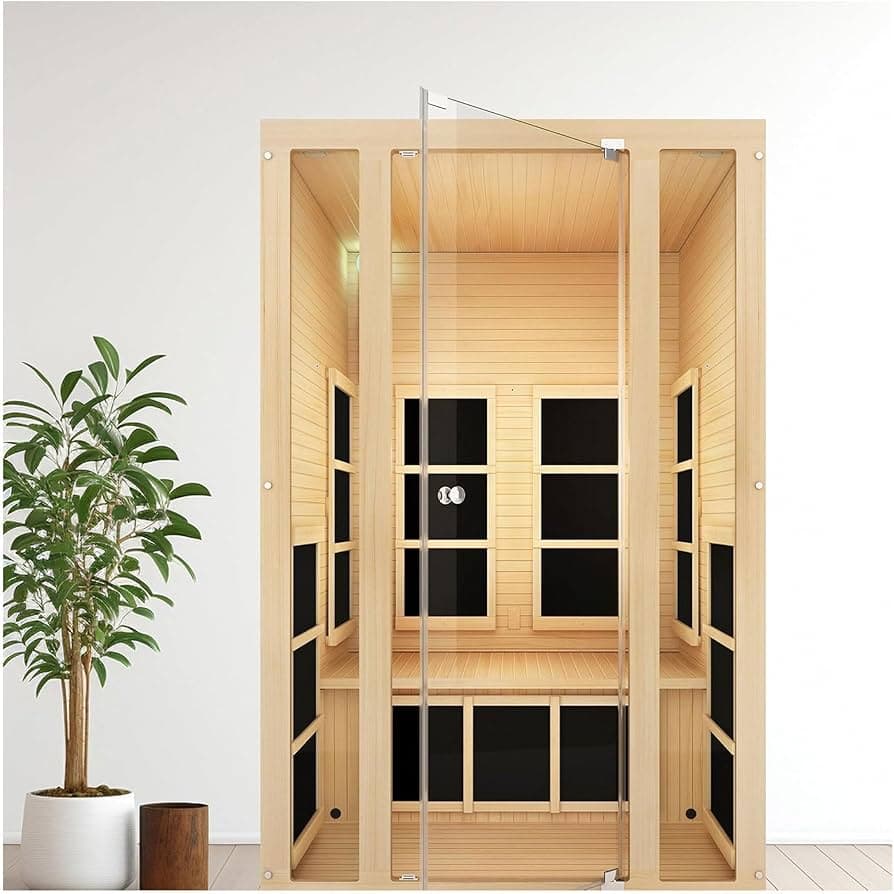
JNH Lifestyles Joyous 2 Person
A best-selling 2-person far-infrared sauna with 7 carbon-fiber heaters in a Canadian Hemlock cabin.
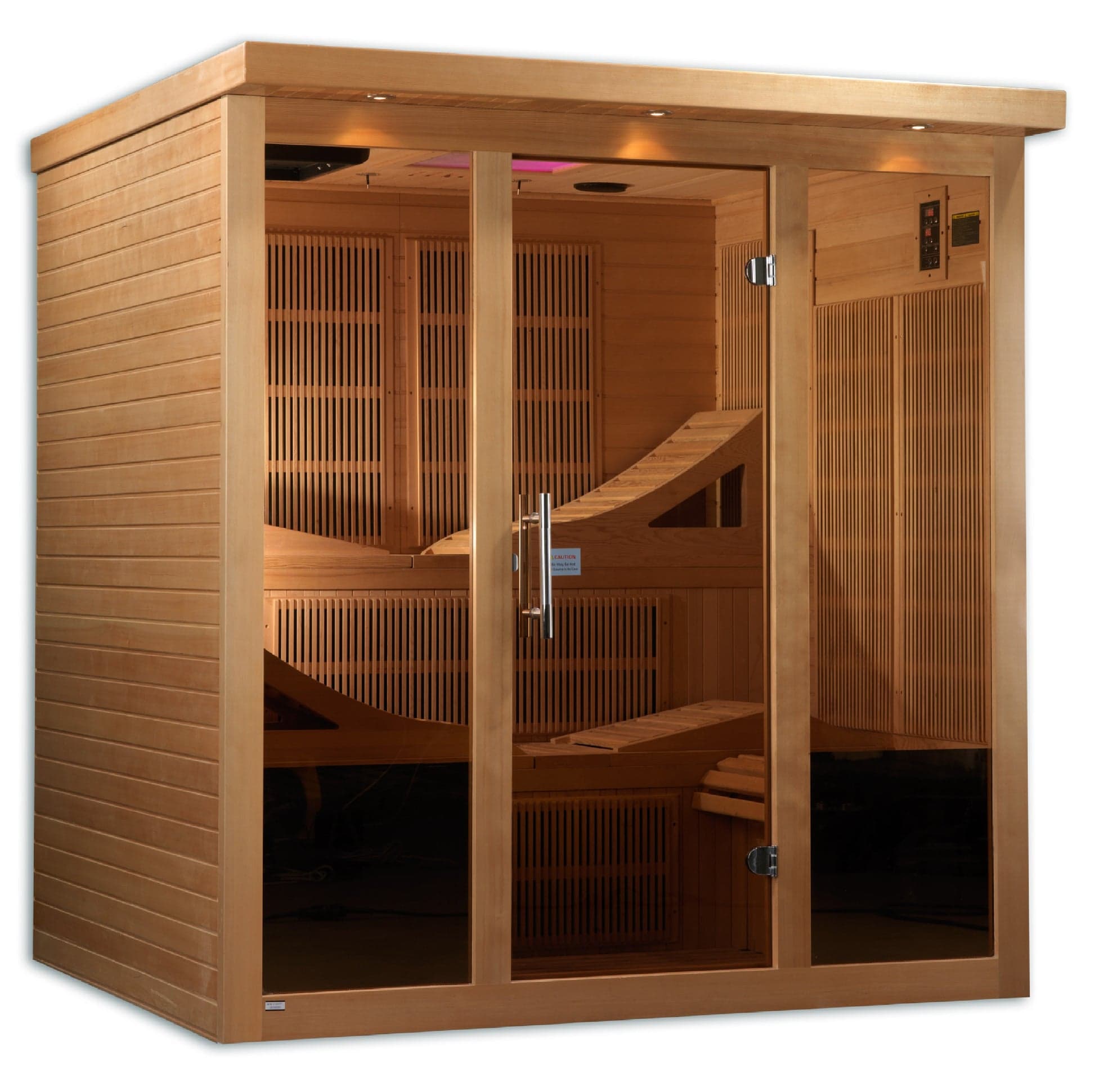
Golden Designs Monaco 6 Person
Spacious 6-person ultra-low-EMF far-infrared sauna in double-paneled Canadian Hemlock.