Outdoor Sauna Buyer's Guide: Cabins, Barrels & Cube Saunas 2026
How to choose an outdoor sauna — barrel vs cabin vs cube, wood options, electric vs wood-burning heaters, sizing, foundation, and the brands to know.
Why Go Outdoors?
An outdoor sauna turns a backyard into a year-round retreat. You get more space than most indoor cabins allow, a natural cool-down right outside the door, and the architectural charm of a standalone structure. The trade-off is a bigger commitment: a foundation, a weatherproof build, an outdoor-rated power run, and often a permit. This guide covers how to choose well before you spend.
The Three Main Shapes
- Barrel saunas — the cylindrical classic. The round profile heats evenly with no cold corners and sheds rain and snow naturally. They're usually the most affordable way into a real outdoor sauna. See our dedicated barrel sauna buyer's guide for sizing and wood detail.
- Cabin saunas — a traditional rectangular hut, often with a porch or changing area. Roomier and easier to stand in, with more design and window options, at a higher price.
- Cube / modern saunas — flat-roofed, contemporary boxes with large panoramic glass. The premium, design-forward option; striking but the most expensive.
Wood: What the Shell Is Made Of
Outdoor wood has to survive sun, rain, and freeze-thaw cycles, so species matters even more than indoors. For a full breakdown see our sauna wood types guide; the short version:
- Western Red Cedar — naturally rot-resistant, aromatic, and dimensionally stable. The premium favorite for outdoor use.
- Thermowood — heat-treated softwood with excellent stability and weather resistance; a popular modern choice.
- Nordic Spruce — the traditional, value-friendly option; sound outdoors with annual exterior oiling.
Heater: Electric vs Wood-Burning
This is the biggest experience-and-install decision. Electric heaters are convenient — set a temperature and walk away — but need a dedicated circuit. Wood-burning heaters need no electricity and deliver the most authentic ritual, but require a flue, fuel, and tending. Our wood-burning vs electric guide walks through both in depth.
Sizing It Right
- 2–3 person: the most popular backyard size — enough for a couple or small family without dominating the yard.
- 4–6 person: for entertaining and larger households; needs more space, a beefier heater, and usually a 240V circuit.
- Solo / compact: smallest barrels and cubes for tight yards.
Foundation, Power & Permits
Don't skip the groundwork — literally. An outdoor sauna needs a level, well-drained base (gravel pad, concrete pad, or cradles), a weatherproof power feed for electric heaters, and very often a local permit for the structure, the electrical, or a wood-burning flue. We cover the whole process in the outdoor sauna setup guide. Sort this out before you order, since it shapes both cost and what will pass inspection.
Brands to Know
For barrel and cabin saunas, the most established North American names include Almost Heaven (American-made spruce and cedar, often paired with a Harvia heater) and Dundalk Leisurecraft (premium Canadian Western Red Cedar). For the heater itself, Harvia is the benchmark. You can read our take on each on the brands page.
The Bottom Line
Pick the shape for your budget and aesthetic (barrel for value, cabin for room, cube for design), the wood for durability (cedar or thermowood outdoors), and the heater for your lifestyle (electric for convenience, wood-burning for ritual). Get the foundation and permits right, and an outdoor sauna will outlast almost anything else in the yard.
Top-Rated Saunas
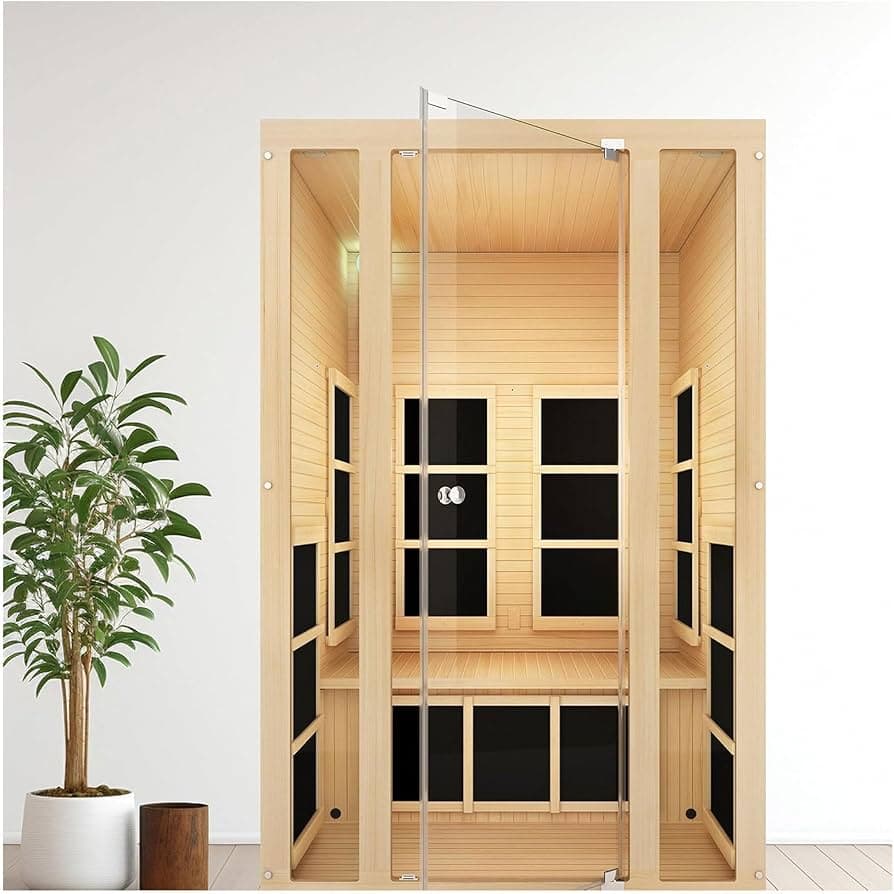
JNH Lifestyles Joyous 2 Person
A best-selling 2-person far-infrared sauna with 7 carbon-fiber heaters in a Canadian Hemlock cabin.
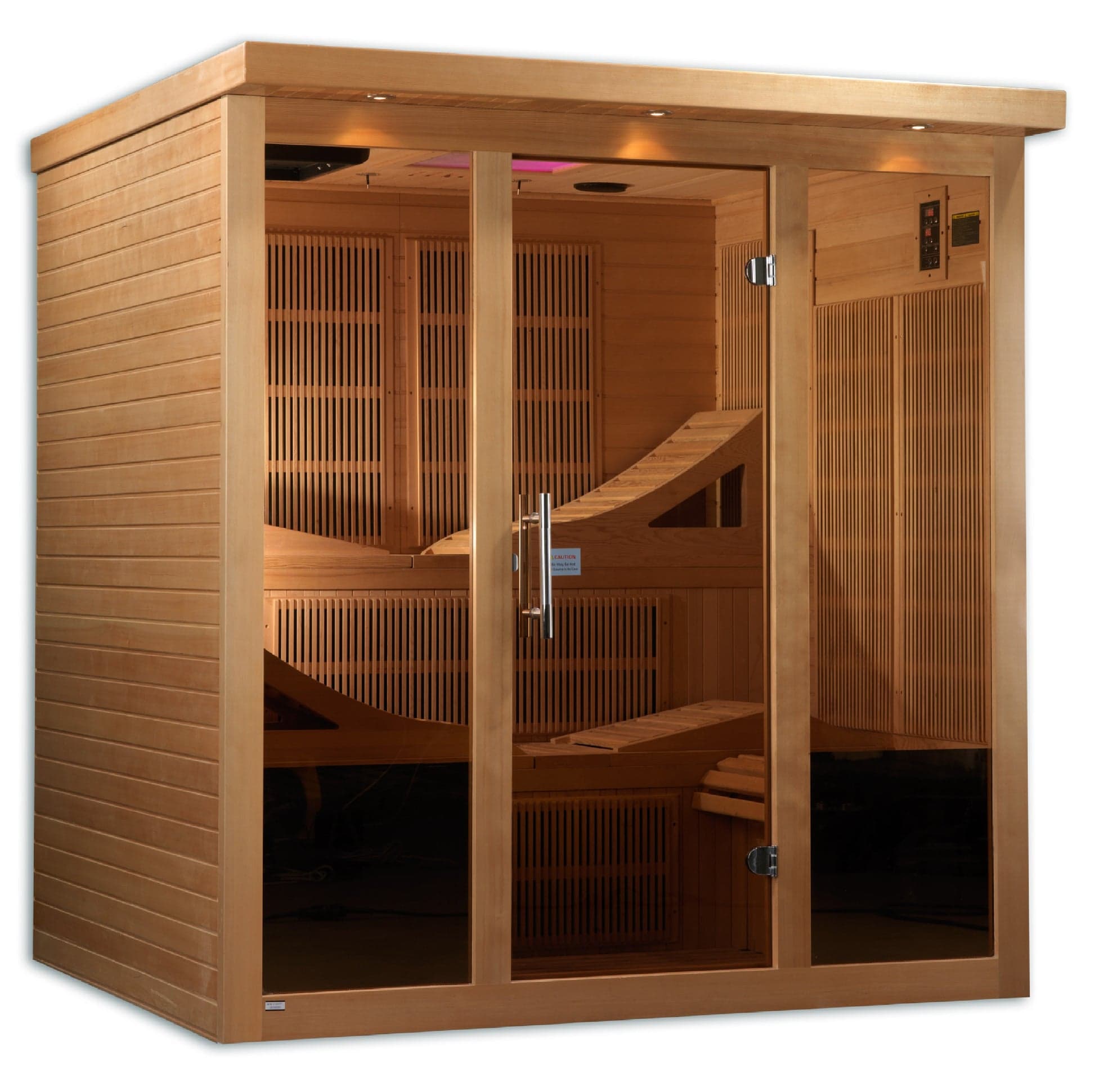
Golden Designs Monaco 6 Person
Spacious 6-person ultra-low-EMF far-infrared sauna in double-paneled Canadian Hemlock.